
If you’ve been experiencing digestive symptoms that are embarrassing, uncomfortable, or sometimes painful, you are not alone. The symptoms associated with irritable bowel syndrome (IBS) are some of the most common health problems and are among the leading reasons why people seek medical help. The good news is that we now know more about the causes of IBS and how to treat it. In this post I’ll cover IBS treatment through a Functional Medicine approach.
What is IBS?
IBS is characterized by a set of symptoms associated with dysfunction in the gastrointestinal system. If you have the following symptoms regularly, you may have IBS.
- Abdominal pain before or with bowel movements
- Constipation
- Diarrhea
- Gas
- Bloating
Gut-Brain Connection
There are frequently comorbidities between mental health conditions and IBS. Depression, anxiety, or OCD are all common in people who have IBS. The gut provides 90% of the body’s serotonin needs. Serotonin is a “feel-good” neurotransmitter responsible for mood regulation. When the gut becomes compromised, and can no longer produce enough serotonin for the nervous system, this may result in these mental health problems. In these cases, restoring the gut and helping the body to restore its serotonin production through amino acid supplementation can help correct these symptoms.
Gut Microbiome
The gut microbiome is a community of bacteria, viruses, and fungi that all perform important functions for the health of not just the digestive system but the entire body. There is strong evidence of a correlation between dysbiosis and IBS symptoms. Maintaining this community of good bacteria is simple in theory. They need foods that help them to thrive and to avoid coming into contact with things that kill them.
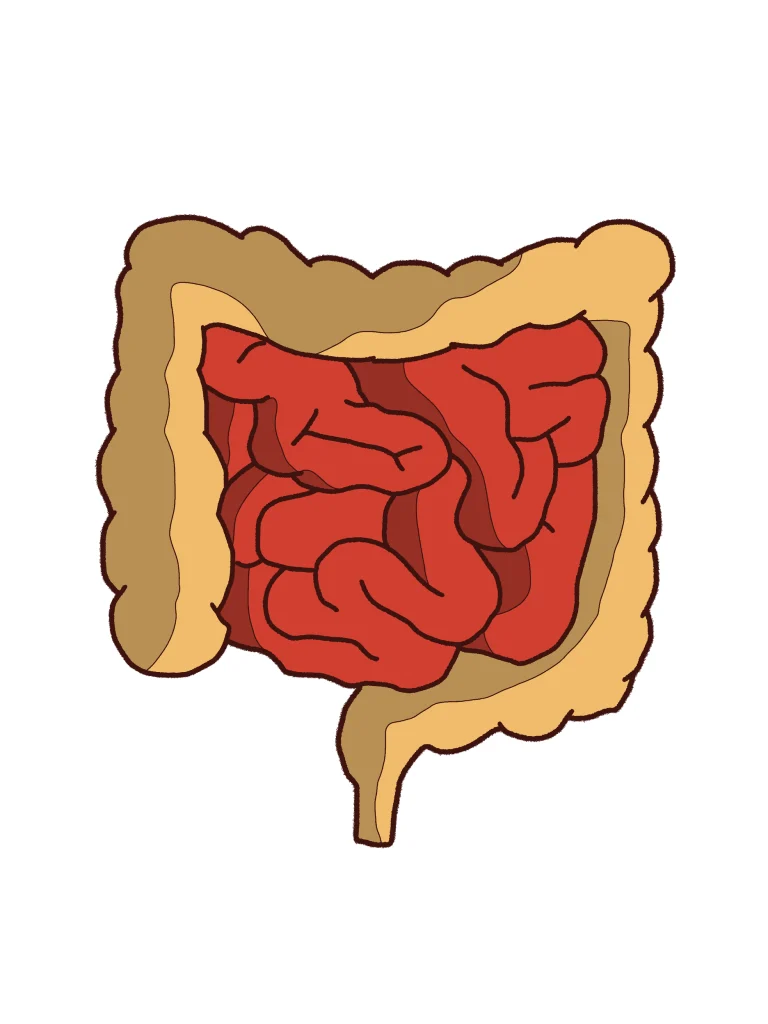
A healthy microbiome has a diverse group of bacteria, with none of them having a dominating presence. Dysbiosis occurs when the microbiome becomes unbalanced. This includes the overgrowth of bacteria. If good bacteria are present in low amounts, other opportunistic pathogens, such as Klebsiella pneumonia or C. difficile, may take their place. When the local immune system of the gut becomes compromised, it may result in a parasitic infection causing IBS symptoms.
So where do we get the good bacteria to begin with? A newborn inherits good bacteria from the mother. A vaginal birth will inoculate the baby with these healthy bacteria. Furthermore, breastfeeding is a powerful way to feed good bacteria. It contains foods that help these good bacteria to thrive. A weaker gut microbiome may develop due to c-section delivery or if the baby doesn’t receive nourishing breast milk.
Eliminating pathogens and inoculating with probiotics can correct this condition. Furthermore, feeding the good bacteria with prebiotics and healthy foods will maintain a healthy gut microbiome.
Gut Motility
The intestines use smooth muscle to move material through the gastrointestinal tract and out of the body, a process also known as “peristalsis.” In some cases, peristalsis becomes compromised due to a deterioration of these smooth muscles. This is a major contributing factor to small intestinal bacterial overgrowth (SIBO). When the body cannot move material and bacteria along the digestive tract, it causes a build-up. This will actually cause the bacteria to build up, and it will even enter the stomach. A breath test can test for SIBO.
If this is a problem, it is a good idea to repair the intestines to prevent dysbiosis and the build-up of bacteria.
Smooth muscle can deteriorate due to long-term activation of the stress response through the HPA axis. For more information, see my post on adrenal fatigue. If SIBO is present, consider getting your adrenals checked so that any deterioration of the gut doesn’t continue to occur.
Book a Consultation
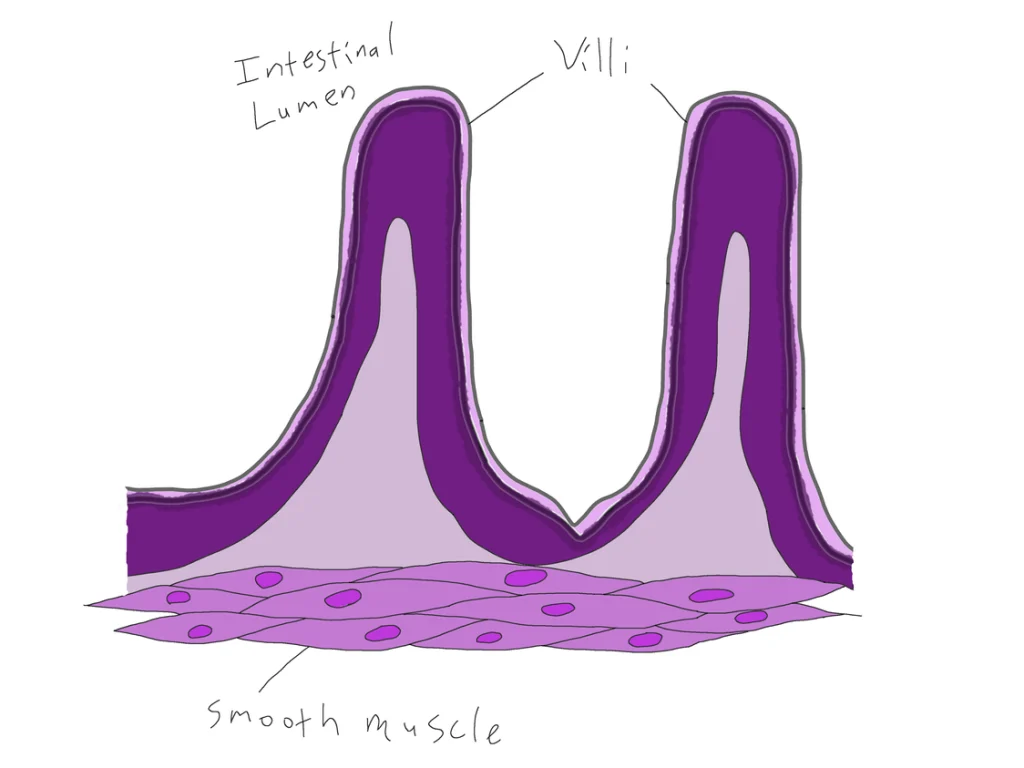
Smooth Muscle of the Small Intestine
Acid Blocker Medications
Proton pump inhibitors control acid production in the stomach. Doctors commonly prescribe this medication for heartburn. Long-term use of these acid blockers will cause a number of problems including IBS and leaky gut. If you are using these medications, be aware that they can cause these symptoms.
Antibiotics
Antibiotics are incredibly good at killing bacteria. As a result, a course of antibiotics may decimate the bacterial community in the gut. To counteract this effect, follow every course of antibiotics with prebiotics and probiotics. Opportunistic bacteria such as C. difficile may take advantage of the vacuum left by the elimination of good bacteria in the gut.
Food Sensitivities and Diet
With digestive disorders, it’s always important to consider the role that food sensitivities may be playing. At the top of the list is gluten, which can cause a number of digestive symptoms in some people. It may be a good idea to check for gluten antibodies to see how your immune system is reacting to the presence of gluten in the gut. If you don’t want to take a test, you can simply eliminate gluten from your diet to see if the symptoms decrease at all. I would recommend removing gluten for 30 to 60 days to fully feel the effects. After that time, you can then eat gluten on purpose in order to determine if it is a problem for you. Keep in mind that symptoms may not appear for 2 – 3 days after eating gluten.
In addition to gluten, you may want to eliminate added sugar, dairy, and trans fats from your diet. Processed foods in general have a higher likelihood of causing IBS symptoms as they frequently have long lists of chemical additives. Be aware that emulsifiers, colorings, and food whiteners (titanium dioxide) can cause problems. It’s better for your gut health to choose items that have a shortlist of ingredients that you recognize. If you really want a healthy gut, only choose items that have no label at all. A diet filled with a variety of vegetables will help feed the good bacteria and maintain the bacterial community.
How do I know if I have dysbiosis causing IBS?
A comprehensive stool test will give all the information you need to determine what needs to be done to get your gut back on track. It will give information on the composition of your microbiome, the presence of any parasites, and the state of your intestinal walls (leaky gut).
A functional stool test will allow you to do the test in the comfort of your own home. The sample can then be sent through the mail straight to the laboratory for analysis.
Additional Tests
Depending on your situation, it may be advisable to undergo other tests. For example, as I mentioned above, there is a tendency toward mental health problems such as depression, anxiety, and OCD with IBS and gut problems in general. In these cases, get your neurotransmitter levels tested. You may need to go on a protocol to fix neurotransmitter production while your gut is being repaired.
If you do have a leaky gut, it is a good idea to get your adrenals tested. An adrenal protocol will help your body to maintain the gut after it is repaired.
Treatment
The treatment of IBS from dysbiosis has three main stages.
1) Eliminate overgrowth and infections: Eliminate dysbiosis and gut pathogens with either herbs, supplements, or antibiotics.
2) Repopulate the gut: Next, repopulate the microbiome with prebiotics and probiotics. Implementing a healthy diet will ensure a higher success rate in the treatment. A diet high in fiber from a variety of fruits and vegetables will go a long way. Fermented foods such as sauerkraut, miso, or sauerkraut will repopulate the gut with good bacteria.
3) Repair the gut: If the gut has deteriorated it will be necessary to repair it so that it may absorb nutrients, protect from toxins, and move material and bacteria through peristalsis. This is done through herbs and supplements.
If you have been experiencing IBS symptoms such as abdominal pain, gas, bloating, constipation, or diarrhea, then I can help you get your gut health back on track. I offer telemedicine services so that you can have your appointment from the comfort of your own home. Click the button below to schedule a free 15-minute online consultation.
Disclaimer: This website does not provide medical advice. The information contained on this website is for informational purposes only. No material on this site is intended to be a substitute for medical advice, diagnosis, or treatment. Always seek the advice of a healthcare professional with any questions you may have regarding a medical condition and treatment before undertaking a new healthcare regimen.