
Polycystic Ovarian Syndrome (PCOS) affects an estimated 6 – 15% of women worldwide. It’s characterized by high level of androgens, such as testosterone, and estrogen dominance. As a result, women with PCOS may experience menstrual irregularities and heavy periods. High testosterone may cause unwanted hair grown on the face, chest, or abdomen and may cause hair loss on the top of the head. Additional symptoms include acne and increased belly fat. Because it prevents ovulation, it is one of the main causes of female infertility. PCOS treatment through Functional Medicine involves a comprehensive approach that includes lifestyle changes, and optimizing other important body systems.
The main thing I want to convey in this post is that PCOS can be managed if you know what you’re doing. If you are experiencing these symptoms, there are ways to get you back on track. Below I’ll go through the most important lifestyle factors that lead to PCOS and how to reverse them. I’ll also go through the other body systems that need to be in good shape for healthy hormone balance. With this comprehensive approach, PCOS treatment can balance your male and female hormones to eliminate those pesky symptoms.
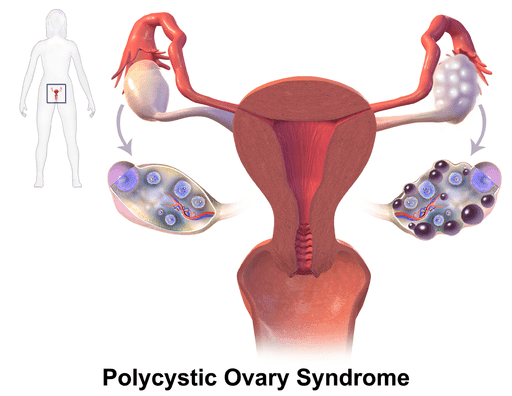

What is PCOS?
PCOS gets its names from the small cysts that grow on an ovary. With this condition, the follicle will grow and fill with fluid, but the egg will not be released for ovulation. This results in many cysts on the ovaries. However, you don’t have to have cysts on the ovaries to have PCOS. Under the Rotterdam criteria, PCOS is defined by the presence of two of the following three conditions.
- Polycystic ovaries
- Hyperandrogenism
- Oligo-ovulation
Therefore, if the ovaries have no cysts, but the latter two conditions are met, you may have PCOS.
Types of PCOS
There are four types of PCOS
- Insulin resistant PCOS
- Inflammatory-based PCOS
- Post-birth control related PCOS
- Adrenal-related PCOS
PCOS treatment with Functional Medicine will address all possible root causes of this condition. However, the most common type is insulin resistant PCOS. The rest of this post will discuss treatment of this form of the condition.
Insulin Resistance
Insulin resistance is at the root of PCOS. When insulin becomes resistant, the body increases the amount of insulin in the blood, also known as hyperinsulinemia. The high levels of insulin will then increase androgen production in the ovaries through type 1 insulin like growth factor (IGF-1).
Diet
This leads to the primary rule for treatment of PCOS. Find a way to eliminate added sugar from your diet. Read every label before you buy something in the store, and if it has added sugar in it, do not purchase it. Become a stickler for this. Your health depends on it.
I recommend that if you really want to kick things off to start by doing an elimination diet. Truth be told, many of the symptoms we experience, even outside of PCOS, are caused by the food that we eat. After doing an elimination diet, you may be surprised at what health problems clear up for you. For more information, see my blog post on the elimination diet.
αlpha-Lipoic Acid
This supplement is quite incredible. It has been shown that it can reverse insulin resistance. It makes an excellent addition to the elimination diet. After going through 4 – 6 weeks without added sugar and consistently taking lipoic acid, your body will likely have much better attuned insulin levels. Please ask a qualified healthcare professional for how to properly use this supplement.
5-αlpha Reductase Inhibitors
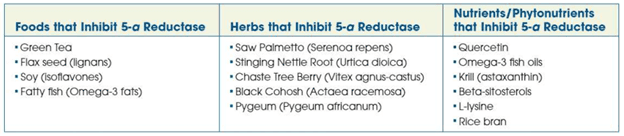
5-α reductase is an enzyme that converts testosterone into dihydrotestosterone (DHT). This causes the unwanted effects on hair loss and body hair growth. Additionally, it also causes acne. Below is a list of foods, herbs, and supplements that will reduce 5-α reductase activity. Consider incorporating these into your daily routine to alleviate these symptoms.
Toxins
Many toxins are endocrine disruptors. This includes chemicals that increase insulin resistance. One known culprit is bisphenol A, a compound found in hard plastics and printed receipts. Another environmental toxin to avoid is pesticides. This is why it’s important to prioritize eating organic foods. Lastly, avoid inhalation of cigarette smoke, wood smoke, automobile exhaust and other hydrocarbon emissions as these contain polyaromatic hydrocarbons (PAHs).
Body Systems
In order to achieve true health and heal from PCOS, it’s important to realize that this doesn’t happen in a vacuum. Other body systems need to be healthy too. The main ones to get checked out include the adrenals, gut microbiome, and detox systems.
Adrenals
The adrenals need to be treated for any hormonal dysregulation. They form the basis of a healthy hormone system. For more information on this system, see my post on adrenal dysfunction.
Gut Microbiome
If the gut microbiome is out of balance, this can lead to insulin resistance. With an overgrowth of gram-negative bacteria, there may be a higher output of endotoxins (made by the bacteria and released on its death). These endotoxins include lipopolysaccharides (LPS), which can directly lead to insulin resistance. This is why treating the gut is important if you have PCOS. The state of your microbiome can be assessed by taking a stool test.
Detox Pathways
When it comes to PCOS, a healthy detox system is important for a couple of reasons. As stated above, toxins from the environment can increase insulin resistance. It’s important the detox system is up and running to process these chemicals. If it’s not working well, these toxins can wreak havoc on the hormone system.
The detox system is also responsible for processing estrogens. If there is a buildup of estrogen in your body, this leads to estrogen dominance, contributing to the menstrual problems associated with PCOS.
The health of your detox pathways can be assessed by taking an organic acids test.
Estrogen Metabolism
In addition to making sure your detox pathways are humming along nicely, it’s important to support estrogen metabolism in other ways. The most important thing to do is to make sure that you are eating plenty of fiber. Estrogen adducts bind to fiber so that they can be excreted from the body. Luckily, if you’re doing the elimination diet, you will be eating plenty of vegetables full of fiber.
Other foods and compounds that will help with processing estrogen include resveratrol, gogi berries, rosemary, and curcumin. Avoiding alcohol will also go a long way in this category.
As I stated at the beginning of this post, there are ways you can manage and treat your PCOS. If you need help with PCOS treatment, you can book a free 15 minute consultation with me, and you can start your path to better health.
Disclaimer: This website does not provide medical advice. The information contained on this website is for informational purposes only. No material on this site is intended to be a substitute for medical advice, diagnosis, or treatment. Always seek the advice of a healthcare professional with any questions you may have regarding a medical condition and treatment before undertaking a new healthcare regimen.